

My Child Came Out as Transgender - What Does that Mean?
Learn the basics of gender identity, sexual orientation, gender dysphoria and what support looks like for your child coming out as transgender.
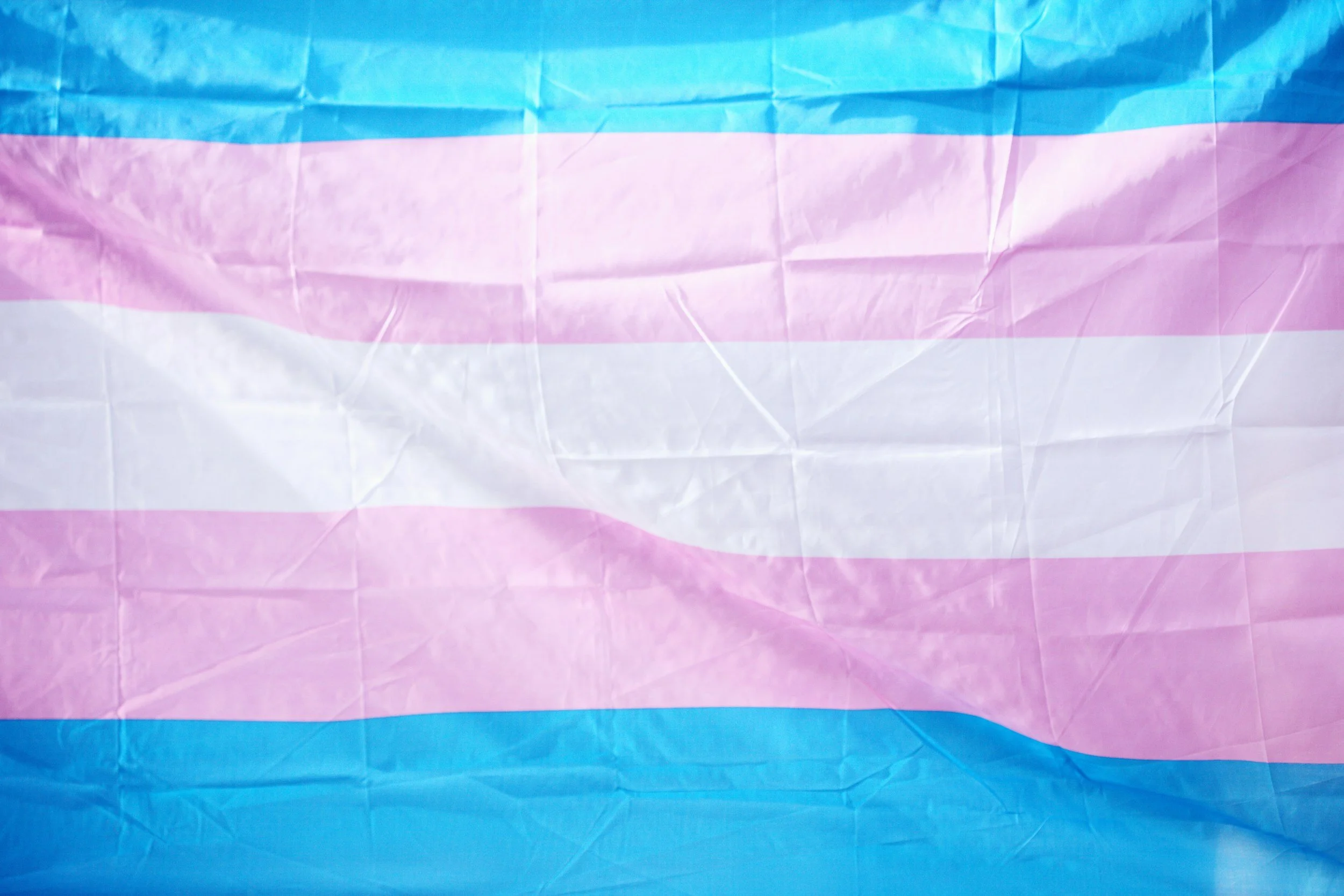
Image of the Transgender Flag
What Does It Mean Being a Boy or a Girl?
Is this something we are born knowing or something we learn? For most of us, the learning starts early. At birth, a baby’s sex is assigned based on their visible anatomy. From that point, expectations begin to shape how a child should dress, act, play and eventually engage in relationships, school, and adulthood. Family, culture, media, religion, and peers reinforce these expectations.
Traditionally, people have framed gender in binary terms: male or female, man or woman. However, gender does not simply fall into these two categories. It is better understood as a spectrum, where individuals identify and express themselves with varying degrees of masculinity, femininity, both, or neither. So where do transgender people fit into this?
What Does It Mean to be Transgender?
A transgender person identifies as a gender different from the one assigned at birth. This identity relates to both gender identity (how someone sees themselves) and gender expression (how they show that identity through clothing, hair, behavior, or roles). For transgender children and teens, family support is essential.
Decades of research show that family acceptance and gender-affirming care are strongly associated with improved mental health outcomes for transgender youth. Studies published in journals such as Pediatrics and JAMA consistently demonstrate lower rates of depression, anxiety, and suicidality when transgender children are supported by caregivers and allowed to live in alignment with their gender identity. When caregivers are rejecting, hostile, or dismissive, transgender youth face a much higher risk for:
- Anxiety and depression
- Substance use
- Homelessness
- Bullying and victimization
- Suicidal thoughts and behaviors
Family support can literally mean the difference between life and death. Major organizations including the American Academy of Pediatrics, American Psychological Association, and Trevor Project emphasize that family support is one of the strongest protective factors for transgender youth. In many cases, it can be the difference between survival and thriving. Support can involve connecting with affirming peers, accessing knowledgeable mental health professionals, and caregivers willing to learn, listen, and grow with their child.
Is My Child Transgender?
This is a common question many parents ask, and it is understandable. Almost all children express behaviors that go against traditional gender expectations at some point. This is called gender nonconformity and does not automatically mean your child is transgender. Gender nonconforming behavior can sometimes hint at how a child feels about their gender, but it is not a definitive sign by itself. These behaviors can show as early as toddlerhood and may include preferences for toys, clothing, or play that do not match societal expectations. What matters most is listening, especially to your child’s words. Some phrases to pay attention to include:
- “I am a boy.”
- “I am a girl.”
- “I want to be a girl.”
- “I want to wear a dress.”
It is important to recognize the difference between exploration and identity. A few mentions or moments of curiosity do not mean a child is transgender. Clinicians often look for consistency, persistence, and insistence—especially statements like “I am a ___” that continue over months, not days.
Is My Child Gay or Lesbian? Is That Different Than Being Trans?
Yes, being transgender is different from being gay or lesbian. While these identities often get grouped together under the LGBTQ+ umbrella, they represent different aspects of who a person is:
Transgender refers to gender identity, whether someone feels male, female, both, neither or somewhere in between.
Gay, lesbian, bisexual, and asexual refer to sexual orientation - who someone is romantically or sexually attracted to.
Everyone has both a gender identity and a sexual orientation. A transgender person can also identify as gay, lesbian, bisexual, straight, or asexual.
What is Gender Dysphoria?
Gender dysphoria is a clinical diagnosis given to individuals whose assigned sex at birth does not align with their gender identity, causing distress related to that mismatch. The DSM (Diagnostic and Statistical Manual of Mental Disorders) includes gender dysphoria not to label transgender people as mentally ill, but to describe the distress some transgender children, adolescents, and adults experience. In simple terms, being transgender is not a mental illness.
The inclusion of gender dysphoria in the DSM is due to the significant emotional pain and impairment it can cause. A diagnosis is often needed for insurance coverage of gender-affirming medical care. This kind of care can be life-changing and help many transgender people live as their true selves.
Is This a Phase?
Children definitely go through phases. (Raise your hand if you had an emo phase.) But being transgender or non-binary is not a phase. It’s more accurate to think of it as a developmental journey. Attempts to change a child’s gender identity through denial, punishment, or so-called “reparative” or “conversion” therapies are widely seen as ineffective and dangerous.
Major medical and mental health organizations, including the American Psychological Association, American Medical Association, and American Psychiatric Association, have condemned these practices. The same applies to attempts to change sexual orientation. Around 3% of teens identify as transgender or non-binary, and that number is likely higher due to fear, stigma, and lack of safety in coming out.
My Child Came Out as Trans. Why Didn’t I Know Sooner?
Some transgender people know from a very young age. Others do not realize—or do not feel safe enough to share—until adolescence or adulthood. Coming out is a complicated process. Fear of rejection, bullying, loss of relationships, and social stigma often keep kids silent, even with parents they love. Your support matters more than you may know.
You are not losing a son or a daughter. Your child is not gone. You are gaining a happier child—someone who feels safe enough in their identity to trust you with their truth. That is a privilege and an honor.
How to Support your Trans Child
Here are some meaningful ways you can support your transgender or gender-diverse child:
Use their name and pronouns.
Advocate for them at school, in healthcare settings, and with extended family.
Educate yourself and stay open to learning.
Seek out schools and environments that affirm and support your child. - Encourage your child to set boundaries when needed.
Reassure them often and clearly that your love and support are unconditional.
Support does not mean having all the answers. It means being present, listening and letting your child know they do not have to navigate this journey alone.
If you’re feeling overwhelmed, confused, or worried about getting this “right,” you don’t have to navigate this alone. Working with a gender-affirming therapist can help you better understand your child’s experience, strengthen your relationship, and build confidence in how you support them.
If you’re a parent seeking guidance, education, or therapeutic support for yourself or your child, I invite you to reach out. Support is available—and your family deserves it.
